


Introduction
Every business aims to grow, improve, and stay competitive in an ever-changing market. However, many organizations struggle to understand why they are not achieving their desired results. This is where gap analysis for business becomes a powerful tool. It helps identify the difference between current performance and desired goals, giving businesses a clear direction for improvement.
In simple terms, gap analysis allows companies to see what is missing and what needs to be done to reach their objectives. Whether you are running a small startup or managing a large organization, understanding these gaps can significantly enhance decision-making and strategic planning.
Moreover, gap analysis for business is not limited to financial performance. It can be applied to operations, marketing, customer service, and even employee productivity. By identifying inefficiencies and missed opportunities, businesses can take targeted actions to bridge those gaps effectively.
This guide is designed for beginners and intermediate readers who want to understand gap analysis in a simple yet professional way. You will learn what it is, why it matters, and how to implement it step by step. By the end, you will have a clear roadmap to apply gap analysis in your own business and achieve measurable results.
What is Gap Analysis for Business?
Gap analysis for business is a strategic method used to compare a company’s current state with its desired future state. The “gap” refers to the difference between where the business is now and where it wants to be.
For example, if a company aims to achieve $1 million in annual revenue but is currently making $700,000, the gap is $300,000. This difference highlights the need for improvement strategies.
Gap analysis is not only about identifying problems. It is also about discovering opportunities for growth and innovation. Businesses use this technique to evaluate performance, improve processes, and align their operations with long-term goals.
There are different types of gap analysis, including performance gap analysis, market gap analysis, and product gap analysis. Each type focuses on a specific area of the business, allowing for a more detailed and targeted approach.
Ultimately, gap analysis provides clarity. It helps business owners and managers understand what is working, what is not, and what actions are required to move forward effectively.
Why is Gap Analysis for Business Important?
Gap analysis for business plays a crucial role in strategic planning and decision-making. Without understanding the gaps, businesses often rely on guesswork, which can lead to poor outcomes.
One of the main reasons it is important is that it provides a clear direction. Instead of making random improvements, businesses can focus on specific areas that need attention. This saves time, money, and resources.
Additionally, gap analysis helps improve efficiency. By identifying weaknesses in processes or operations, companies can streamline workflows and reduce unnecessary costs.
It also supports better goal setting. When businesses understand their current position, they can set realistic and achievable targets. This increases the chances of success and keeps teams motivated.
Furthermore, gap analysis for business enhances competitiveness. In today’s fast-paced market, companies need to continuously improve to stay ahead. Identifying and closing gaps ensures that businesses remain relevant and adaptable.
Finally, it promotes accountability. Teams can clearly see their performance and understand their role in achieving business goals. This creates a culture of continuous improvement.
Detailed Step-by-Step Guide
Step 1: Identify Your Current State
The first step in gap analysis for business is to understand where you currently stand. This involves collecting data related to performance, sales, operations, and customer satisfaction.
For example, you can analyze financial reports, employee productivity, and customer feedback. The goal is to get a realistic picture of your current situation.
Step 2: Define Your Desired Goals
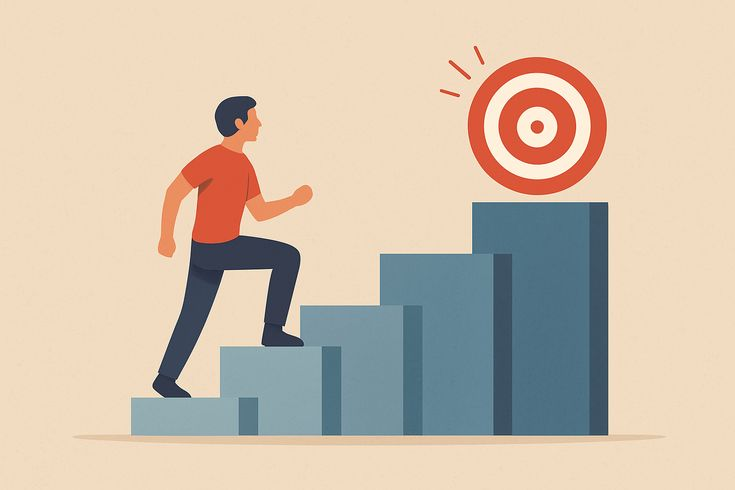
Next, you need to clearly define your business goals. These goals should be specific, measurable, and time-bound.
For instance, instead of saying “increase sales,” set a goal like “increase sales by 20% in the next six months.” This clarity makes it easier to measure the gap.
Step 3: Identify the Gap
Once you have both your current state and desired goals, compare them to identify the gap. This step highlights the difference between where you are and where you want to be.
You can use charts, graphs, or simple calculations to visualize the gap. This makes it easier to understand and communicate with your team.
Step 4: Analyze the Causes
After identifying the gap, the next step is to understand why it exists. This requires a deeper analysis of your processes, resources, and strategies.
Common causes may include lack of skills, outdated technology, poor marketing strategies, or inefficient operations.
Step 5: Develop an Action Plan
Now that you know the causes, create a plan to bridge the gap. This plan should include specific actions, timelines, and responsibilities.
For example:
- Improve employee training programs
- Invest in new technology
- Enhance marketing campaigns
Step 6: Implement the Plan
Execution is key in gap analysis for business. Make sure your team understands the plan and their roles in implementing it.
Regular monitoring is important to ensure everything is on track.
Step 7: Monitor and Review Progress
Finally, track your progress and measure results. Compare new performance data with your initial goals to see if the gap is closing.
If necessary, adjust your strategies to achieve better results.
Benefits of Gap Analysis for Business
- Provides clear insight into business performance
- Helps identify weaknesses and opportunities
- Improves decision-making and planning
- Enhances operational efficiency
- Supports better resource allocation
- Encourages continuous improvement
- Aligns business activities with strategic goals
- Increases competitiveness in the market
Disadvantages / Risks
- Can be time-consuming if not properly planned
- Requires accurate and reliable data
- May lead to incorrect conclusions if analysis is poor
- Implementation challenges may arise
- Resistance from employees to change
- Over-focusing on gaps may ignore strengths
Common Mistakes to Avoid
One common mistake in gap analysis for business is setting unclear goals. Without specific targets, it becomes difficult to measure the gap accurately.
Another mistake is relying on incomplete data. Decisions based on inaccurate information can lead to poor strategies.
Many businesses also fail to involve their teams. Gap analysis should be a collaborative effort to ensure better insights and smoother implementation.
Ignoring the root causes is another issue. Simply identifying the gap is not enough; understanding why it exists is crucial.
Additionally, some organizations create plans but fail to execute them effectively. Without proper implementation, gap analysis becomes useless.
Lastly, not reviewing progress regularly can hinder success. Continuous monitoring is essential to ensure improvements are working.
FAQs
What is the main purpose of gap analysis for business?
The main purpose is to identify the difference between current performance and desired goals, allowing businesses to take corrective actions.
How often should a business conduct gap analysis?
It depends on the business size and industry, but typically it should be done quarterly or annually for best results.
Is gap analysis only for large companies?
No, gap analysis for business is useful for businesses of all sizes, including startups and small enterprises.
What tools are used in gap analysis?
Common tools include SWOT analysis, performance metrics, surveys, and data analytics software.
Can gap analysis improve profitability?
Yes, by identifying inefficiencies and opportunities, businesses can implement strategies that increase revenue and reduce costs.
What is the difference between gap analysis and SWOT analysis?
Gap analysis focuses on the difference between current and desired states, while SWOT analysis evaluates strengths, weaknesses, opportunities, and threats.
Expert Tips & Bonus Points
To get the most out of gap analysis for business, always start with clear and realistic goals. This ensures that your analysis remains focused and actionable.
Use data-driven insights instead of assumptions. Reliable data leads to better decisions and more accurate results.
Involve your team in the process. Employees often have valuable insights that can help identify gaps and solutions.
Break large gaps into smaller, manageable tasks. This makes implementation easier and more effective.
Regularly review and update your analysis. Business environments change quickly, and staying updated is essential.
Additionally, combine gap analysis with other strategic tools for a more comprehensive approach. This enhances overall business performance.
Conclusion
Gap analysis for business is a powerful strategy that helps organizations understand where they stand and where they need to go. By identifying the difference between current performance and desired goals, businesses can create targeted plans for improvement.
Throughout this guide, we explored the importance of gap analysis, its benefits, and how to implement it step by step. From identifying your current state to monitoring progress, each step plays a crucial role in achieving success.
While there are some challenges, they can be managed with proper planning and execution. Avoiding common mistakes and following expert tips can significantly improve your results.
In today’s competitive environment, businesses cannot afford to rely on guesswork. Gap analysis provides clarity, direction, and measurable outcomes. It helps organizations stay focused, efficient, and aligned with their goals.
Whether you are just starting out or looking to improve an existing business, applying gap analysis can lead to better performance and long-term success. By continuously evaluating and closing gaps, you can ensure that your business remains strong, competitive, and ready for future growth.
