

Introduction
On page SEO techniques play a crucial role in improving your website’s visibility and ranking on search engines. Whether you are a beginner just starting your online journey or someone with basic knowledge looking to refine your strategy, understanding these techniques can significantly boost your website performance. Search engines constantly evolve, and so do the strategies required to stay ahead.
In simple terms, on page SEO techniques refer to all the actions you take directly within your website to improve its position in search engine results. Unlike off page strategies such as backlinks, these techniques are fully under your control. That is why mastering them is essential for long-term success.
Moreover, applying proper on page SEO techniques helps search engines understand your content better. As a result, your pages become more relevant for specific search queries. This not only increases organic traffic but also improves user experience, which is equally important.
In this detailed guide, you will learn everything from the basics to advanced strategies. Step by step, we will cover how to optimize your content, structure your website, and avoid common mistakes. By the end, you will have a clear roadmap to implement effective on page SEO techniques and achieve better rankings.
What is On Page SEO Techniques?
On page SEO techniques refer to the process of optimizing individual web pages to rank higher in search engines and attract relevant traffic. These techniques involve both content and HTML source code optimization.
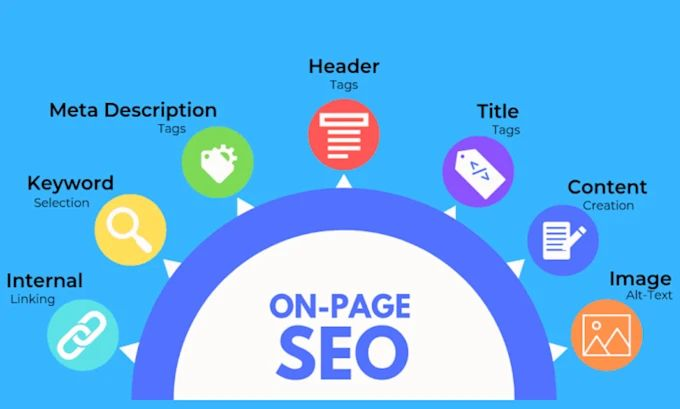
In other words, it includes everything you can control directly on your website. This ranges from keyword usage to meta tags, headings, internal linking, and even page speed. Each element works together to improve your site’s overall performance.
For example, when you use the right keywords naturally in your content, search engines can easily identify what your page is about. Similarly, properly structured headings help both users and search engines navigate your content efficiently.
Additionally, on page SEO techniques also focus on user experience. A well-optimized page loads quickly, is mobile-friendly, and provides valuable information. This combination increases the chances of ranking higher.
Overall, it is a foundational part of SEO that every website owner must understand and implement correctly.
Why is On Page SEO Techniques Important?
On page SEO techniques are important because they directly impact how search engines interpret your content. Without proper optimization, even high-quality content may fail to rank.
First of all, these techniques help search engines understand the context of your content. When your page is clear and well-structured, it becomes easier for search engines to match it with relevant queries.
Secondly, it improves user experience. A page that is easy to read, fast to load, and well-organized keeps visitors engaged. This reduces bounce rates and increases the time users spend on your site.
Furthermore, on page SEO techniques increase your chances of ranking for multiple keywords. By strategically placing keywords and using variations, your content becomes more discoverable.
Another important aspect is control. Unlike off page SEO, where results depend on external factors, on page optimization is entirely in your hands. You can test, adjust, and improve your pages anytime.
In summary, these techniques are essential for building a strong SEO foundation and achieving sustainable growth.
Detailed Step-by-Step Guide
Keyword Research and Placement

The first step in applying on page SEO techniques is keyword research. You need to identify what your audience is searching for.
Choose one primary keyword and several secondary keywords. Then, place them naturally in your content. Make sure the primary keyword appears in the title, first 100 words, headings, and throughout the article.
However, avoid overusing keywords. Instead, focus on natural flow and readability.
Optimizing Title Tags
Your title tag is one of the most important ranking factors. It should be clear, engaging, and include your main keyword.
Keep it under 60 characters and make sure it accurately represents your content. A strong title increases click-through rates.
Writing Meta Descriptions
A meta description summarizes your page content. Although it does not directly affect rankings, it influences user clicks.
Write a compelling description within 155 characters. Include your keyword and make it appealing to readers.
Using Proper Heading Structure
Headings help organize your content. Use H1 for the title, H2 for main sections, and H3 for subpoints.
This structure makes your content easier to read and improves SEO. It also helps search engines understand the hierarchy of your information.
URL Optimization
Your URL should be short, descriptive, and include your main keyword.
Avoid unnecessary words or numbers. A clean URL improves both user experience and search engine indexing.
Internal Linking Strategy
Internal links connect different pages of your website. They help users navigate and distribute page authority.
Link to relevant content within your site using descriptive anchor text. This strengthens your overall SEO strategy.
Image Optimization
Images enhance your content, but they must be optimized properly.
Use descriptive file names and add alt text with relevant keywords. Also, compress images to improve page loading speed.
Improving Page Speed
Page speed is a critical ranking factor. Slow websites frustrate users and increase bounce rates.
Optimize images, use caching, and minimize unnecessary scripts. A fast-loading site improves both SEO and user experience.
Mobile Friendliness
Most users browse on mobile devices. Therefore, your website must be mobile-friendly.
Use responsive design to ensure your site looks good on all screen sizes. Search engines prioritize mobile-optimized websites.
Content Quality and Readability
Content is the core of on page SEO techniques. Write valuable, informative, and engaging content.
Use short paragraphs, simple language, and clear formatting. This keeps readers interested and improves rankings.
Benefits of On Page SEO Techniques
- Improves search engine rankings
- Increases organic traffic
- Enhances user experience
- Provides full control over optimization
- Helps target the right audience
- Boosts website credibility
- Supports long-term SEO success
Disadvantages / Risks
- Requires time and consistent effort
- Results are not immediate
- Over-optimization can harm rankings
- Needs regular updates due to algorithm changes
- Mistakes can negatively impact performance
Common Mistakes to Avoid
Many beginners make mistakes while applying on page SEO techniques. Avoiding these errors can save time and improve results.
One common mistake is keyword stuffing. Using too many keywords makes content unnatural and can lead to penalties.
Another issue is ignoring meta tags. Titles and descriptions are essential for visibility and click-through rates.
Poor content structure is also a problem. Without proper headings, your content becomes difficult to read.
Additionally, neglecting mobile optimization can hurt rankings. Always ensure your site works well on mobile devices.
Finally, slow page speed can drive users away. Regularly test and optimize your site’s performance.
FAQs
What are on page SEO techniques?
On page SEO techniques are methods used to optimize individual web pages for better search engine rankings. They include content, HTML tags, and user experience improvements.
How many keywords should I use?
You should focus on one primary keyword and a few secondary keywords. Use them naturally without overstuffing.
Does on page SEO guarantee rankings?
No, but it significantly improves your chances. Combined with quality content and backlinks, it leads to better results.
How often should I update my content?
Regular updates are recommended. Refresh your content every few months to keep it relevant and accurate.
Is page speed really important?
Yes, page speed affects both user experience and search engine rankings. Faster websites perform better.
Can beginners implement on page SEO techniques?
Absolutely. With proper guidance and practice, beginners can successfully apply these techniques and improve their website.
Expert Tips & Bonus Points
To get the best results from on page SEO techniques, focus on consistency. Optimization is not a one-time task but an ongoing process.
Always prioritize user intent. Understand what your audience is looking for and create content that answers their questions.
Use analytics tools to track performance. This helps you identify what is working and what needs improvement.
Additionally, keep your content updated. Fresh content signals search engines that your website is active and relevant.
Another useful tip is to improve dwell time. Engage users with clear formatting, visuals, and valuable information.
Finally, stay updated with SEO trends. Search engine algorithms change frequently, so adapting is essential.
Conclusion
On page SEO techniques are the backbone of any successful SEO strategy. They provide the foundation needed to improve search engine visibility and attract organic traffic. By focusing on elements such as keyword placement, content quality, page speed, and user experience, you can create a well-optimized website that performs effectively.
Throughout this guide, we explored the importance of these techniques and how they directly impact your website’s success. From understanding the basics to implementing advanced strategies, each step plays a vital role in achieving better rankings.
It is important to remember that SEO is a continuous process. You cannot simply optimize your pages once and expect long-term results. Instead, regular updates and improvements are necessary to stay competitive.
By avoiding common mistakes and following best practices, you can maximize the benefits of on page SEO techniques. Over time, these efforts will lead to increased visibility, higher traffic, and better engagement.
In the end, success in SEO comes from consistency, patience, and a focus on delivering value to users. If you apply these techniques correctly, you will build a strong online presence and achieve sustainable growth.
