

Introduction
In today’s fast-moving digital world, capturing attention is harder than ever. Brands compete not only with their direct competitors but also with endless content across social platforms. This is where viral marketing strategies come into play. These strategies focus on creating highly shareable content that spreads quickly among audiences, often with minimal advertising costs.
Viral marketing strategies are not just about luck. While some campaigns may seem spontaneous, most successful ones are carefully planned and executed with a deep understanding of audience behavior. From engaging videos to interactive challenges, the goal is to encourage people to share content willingly.
Moreover, beginners and intermediate marketers can greatly benefit from understanding how these strategies work. With the right approach, even small businesses can achieve massive reach. This article will walk you through everything you need to know, including practical steps, benefits, risks, and expert insights.
By the end, you will have a clear roadmap to implement viral marketing strategies effectively and responsibly. Whether you are promoting a product, service, or personal brand, mastering this approach can significantly boost your online presence.
What is Viral Marketing Strategies?
Viral marketing strategies refer to techniques used to encourage individuals to share marketing content with others, creating exponential growth in visibility. The term “viral” comes from how quickly the message spreads, similar to a virus.
These strategies often rely on emotional triggers such as humor, inspiration, curiosity, or surprise. When people feel strongly about something, they are more likely to share it with their network. This sharing creates a chain reaction, expanding the reach far beyond the original audience.
For example, a short, funny video can quickly gain millions of views if people find it relatable and entertaining. Similarly, a powerful message or challenge can motivate users to participate and share their experiences online.
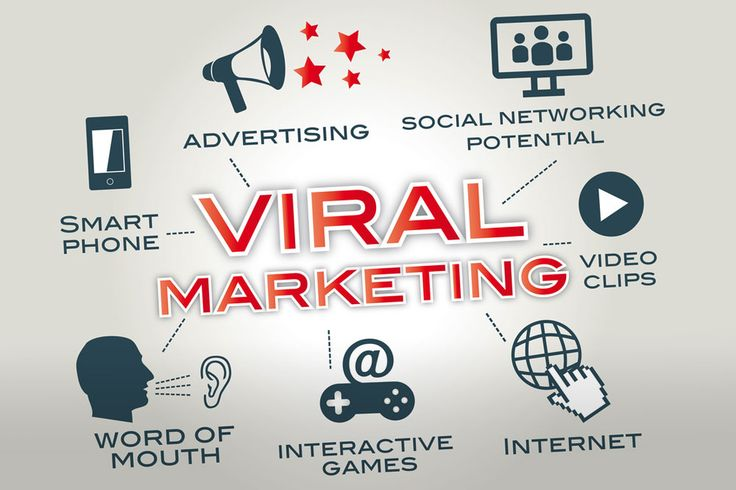
Importantly, viral marketing strategies are not limited to social media. They can also include email campaigns, word-of-mouth referrals, and creative offline promotions that encourage digital sharing.
Why is Viral Marketing Strategies Important?
Viral marketing strategies are important because they allow brands to reach a massive audience without spending heavily on traditional advertising. In many cases, the audience itself becomes the promoter of the content.
One major advantage is cost-effectiveness. Instead of investing large amounts in paid ads, businesses can focus on creating compelling content that spreads organically. This makes it especially useful for startups and small businesses.
Additionally, these strategies build trust. People are more likely to engage with content shared by friends or family than with direct advertisements. This peer-to-peer sharing enhances credibility and increases the chances of conversion.
Another key reason is brand awareness. A successful viral campaign can introduce your brand to millions of people in a very short time. This rapid exposure can lead to long-term growth and recognition.
Detailed Step-by-Step Guide
Identify Your Target Audience
Before creating any content, understand who you are trying to reach. Analyze their interests, behaviors, and preferences.
- Study demographics such as age and location
- Observe trending topics in your niche
- Identify what type of content they engage with
This step ensures that your viral marketing strategies are relevant and appealing.
Create High-Quality and Engaging Content
Content is the core of any viral campaign. Focus on making it valuable, entertaining, or emotionally impactful.
- Use storytelling techniques
- Keep the message clear and concise
- Make it visually appealing
The more engaging your content, the higher the chances of it being shared.
Use Emotional Triggers
Emotion plays a powerful role in sharing behavior. Content that evokes strong feelings tends to perform better.
- Humor can make content enjoyable
- Inspiration can motivate sharing
- Surprise can capture attention
Incorporating emotions is essential in viral marketing strategies.
Optimize for Social Sharing

Make it easy for users to share your content across platforms.
- Add share buttons
- Use catchy headlines
- Include short captions
Convenience increases the likelihood of your content going viral.
Leverage Influencers
Collaborating with influencers can amplify your reach.
- Choose influencers relevant to your niche
- Ensure authenticity in promotion
- Encourage creative collaboration
Their audience can help your content spread faster.
Timing and Trends
Posting at the right time can significantly impact visibility.
- Follow trending topics
- Post during peak engagement hours
- Align content with current events
Timeliness is a crucial factor in successful viral marketing strategies.
Encourage User Participation
Interactive campaigns can boost engagement.
- Launch challenges or contests
- Ask users to create content
- Offer incentives for participation
User involvement increases sharing and visibility.
Analyze and Improve
After launching your campaign, track its performance.
- Monitor shares and engagement
- Identify what worked and what didn’t
- Adjust future strategies accordingly
Continuous improvement ensures long-term success.
Benefits of Viral Marketing Strategies
- Rapid brand exposure to a large audience
- Cost-effective compared to traditional advertising
- Increased credibility through peer sharing
- High engagement and interaction rates
- Potential for long-term brand recognition
- Opportunity to reach global audiences
- Enhanced customer trust and loyalty
Disadvantages / Risks
- Lack of control over how content is perceived
- Possibility of negative feedback spreading quickly
- Unpredictable results
- Short-lived attention span
- Risk of misinterpretation
- Dependence on audience reaction
Common Mistakes to Avoid
One common mistake is focusing too much on virality instead of value. Content should provide genuine benefit to the audience rather than just aiming for shares.
Another mistake is ignoring the target audience. Without understanding your audience, even the most creative campaigns can fail.
Overcomplicating the message is also a problem. Simple and clear content performs better in viral marketing strategies.
Additionally, many marketers neglect timing. Posting at the wrong moment can reduce visibility and engagement.
Finally, failing to analyze results can limit growth. Always review performance to refine your approach.
FAQs
What makes content go viral?
Content goes viral when it resonates emotionally with the audience and is easy to share. Factors such as relatability, timing, and creativity play a key role.
Are viral marketing strategies suitable for small businesses?
Yes, they are highly effective for small businesses because they require less budget and can generate significant reach if executed properly.
How long does it take for content to go viral?
It can happen within hours or days. However, not all content goes viral, and success depends on multiple factors.
Can viral marketing strategies guarantee success?
No, there is no guarantee. While strategies can increase the chances, audience response ultimately determines the outcome.
Which platforms are best for viral marketing?
Social media platforms such as video-sharing and networking sites are ideal due to their high user engagement and sharing features.
How can I measure the success of a viral campaign?
You can track metrics like shares, views, engagement rate, and conversions to evaluate performance.
Expert Tips & Bonus Points
Focus on authenticity. Audiences can easily detect forced or artificial content, which reduces trust.
Keep experimenting with different formats such as videos, images, and interactive posts. Variety helps identify what works best.
Pay attention to storytelling. A compelling story can make your content more memorable and shareable.
Also, stay consistent. While not every campaign will go viral, regular efforts improve your chances over time.
Finally, learn from successful campaigns. Analyze what made them effective and adapt those elements to your strategy.
Conclusion
Viral marketing strategies offer a powerful way to expand your brand’s reach and connect with a wider audience. By creating engaging and shareable content, businesses can achieve rapid growth without relying heavily on paid advertising.
However, success requires careful planning, creativity, and a deep understanding of your audience. From identifying the right target group to leveraging emotional triggers, each step plays a crucial role in the overall outcome.
While there are risks involved, such as unpredictability and potential negative feedback, these can be managed with proper strategy and monitoring. The key is to focus on delivering value and building genuine connections with your audience.
In the long run, viral marketing strategies are not just about short-term success but also about establishing a strong brand presence. By continuously learning and adapting, you can improve your campaigns and increase your chances of achieving viral success.
With dedication and the right approach, even beginners can harness the power of viral marketing strategies to achieve impressive results.
